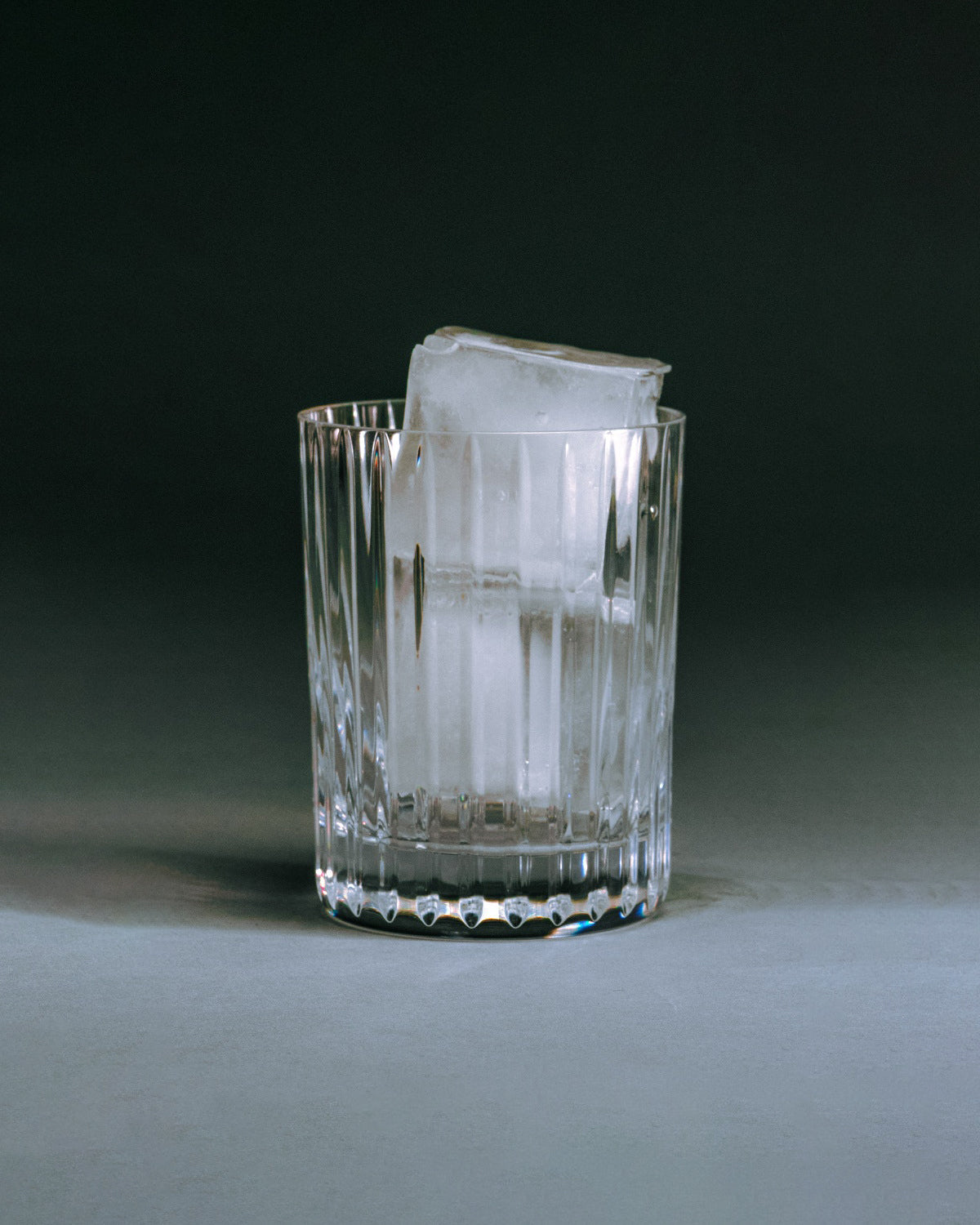
Alcohol alters sleep architecture
Even low-to-moderate drinking meaningfully changes your sleep structure. Research shows that 1–2 standard drinks can:
— Reduce deep, slow-wave sleep by
up to 20–24%
— Suppress REM sleep by 9–27%, depending on dose
—
Increase awakenings as alcohol
is metabolised
— Create lighter, more fragmented sleep, even when total sleep time appears “normal”
You may be asleep, but you’re not moving through the restorative stages your body depends on.
Why this happens
Alcohol has a biphasic effect: an initial sedation followed by a rebound in neural stimulation. Studies show it can:
— Increase glutamate activity
(a stimulating neurotransmitter) in the second half of the night
—
Interfere with normal transitions between sleep stages
— Disrupt the stability of GABA-mediated calming pathways
— Shorten the duration of consolidated restorative sleep
The result: sleep that feels still, but isn’t naturally regulated.
Stress hormones and cardiovascular impact
As alcohol clears, the nervous system shifts toward activation rather than recovery. Research demonstrates that alcohol can:
— Elevate resting heart rate by 3–5 bpm during sleep
—
Increase cortisol, contributing to early-morning restlessness
—
Reduce heart rate variability, indicating reduced parasympathetic recovery
Your body continues working long after the calming feeling fades.
Breathing and fragmentation
Alcohol also impacts nighttime respiration and hydration — both critical for high-quality sleep. It can:
— Increase snoring and upper-airway resistance
— Worsen mild sleep-disordered breathing
—
Intensify dehydration, a key driver
of early waking
— Lead to more frequent micro-awakenings and lighter sleep cycles
Even small amounts change the stability of your night.
Supporting your sleep
Small, considered choices can help you enjoy the season while protecting how you feel in the morning.
— Hydrate before, during, and after to offset the diuretic effect
— Leave 2–3 hours between your last drink and bedtime
— Support your nervous system with a consistent routine: breathwork, meditation, soft stretching
—
Pair drinks with protein or balanced meals to stabilise blood sugar
— Alternate alcoholic beverages with water to reduce metabolic load
These practices help your body return to equilibrium.
The bottom line
Alcohol doesn’t just make sleep lighter, it shifts the chemistry, structure, and stability of the night. Understanding the science allows you to make thoughtful choices that support how you feel the next day.
Sources
Roehrs T, Roth T. (2001). Sleep, sleepiness, and alcohol use. Alcohol Research & Health, 25(2), 101–109
Ebrahim I, Shapiro CM, Williams AJ, Fenwick PB. (2013). Alcohol and sleep I: effects on normal sleep. Alcoholism: Clinical and Experimental Research, 37(4), 539–549
Stephens R, Verster JC. (2021). The impact of alcohol on sleep quality and next-day cognitive performance. Nature and Science of Sleep, 13, 287–301
Rupp TL, Acebo C, Carskadon MA. (2007). Evening alcohol suppresses salivary melatonin in young adults. Journalof Applied Physiology, 103(2), 469–475
MacFarlane JG, Allen KR, Green JL, Murray BJ. (1991). Alcohol and the respiratory cycle. Chest, 99(2), 344–348
Van Reen E, Jenni OG, Carskadon MA. (2006). Effects of alcohol on sleep architecture and physiology. Current Alcoholism Reports, 3(2), 140–148
Brager AJ, Ruby BC, Deuster PA. (2018). The relationship between alcohol intake, circadian rhythms, and sleep. Sports Medicine, 48(1), 3–16