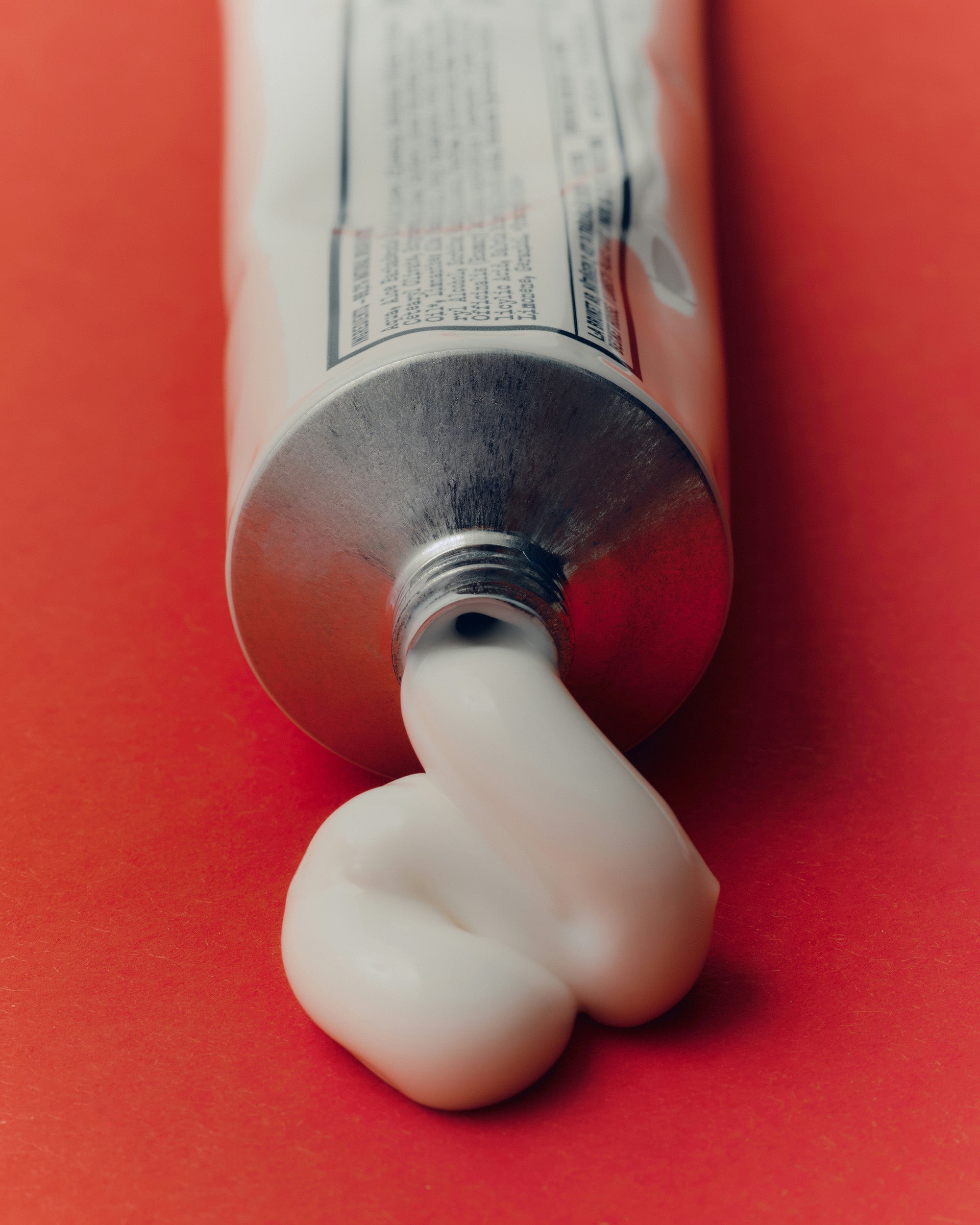
We think of sleep as something our minds need — but your skin relies on it just as much. While you rest, your skin gets to work — rebuilding collagen, repairing damage, calming inflammation, and strengthening its barrier. Miss out, and the signs appear almost overnight. But when you get it right? Skin looks brighter, firmer and calmer. Here’s what really happens to your skin while you sleep — and how to make those hours count…
Why does sleep matter so much for your skin?
Because sleep is the closest thing your skin has to a daily reset. At night, the skin shifts from protection to repair mode. Blood flow increases, delivering oxygen and nutrients; stress hormones drop; and cellular activity intensifies. This is when collagen synthesis accelerates, elasticity recovers and the barrier begins rebuilding after daytime exposure. Even short-term sleep loss interrupts these rhythms. Studies show two nights of poor sleep can reduce hydration, increase dryness, weaken elasticity and make skin appear noticeably duller.
What's your skin really doing while you sleep?
During the first few sleep cycles, circulation to the skin increases, delivering oxygen and micronutrients that fuel cellular repair. This is when ATP – the energy source cells rely on – is produced more efficiently, giving your skin the resources it needs to recover from the day.
Meanwhile, the skin becomes more permeable, meaning active ingredients – like retinoids and peptides – absorb more effectively.
Why does a bad night’s sleep show up so quickly?
The skin is sensitive to shifts in circulation and inflammation. When you miss out on sleep, cortisol rises, fluid regulation becomes impaired and blood flow slows. The result? Puffiness, uneven tone, darker under-eyes and more visible fine lines. More interestingly, sleep loss affects the way the face is perceived. Research shows tired faces are judged as less healthy and less vibrant – likely because humans evolved to recognise signs of stress and depletion in each other.
Is deep sleep the anti-ageing tool we’re all overlooking?
In many ways, yes. Deep sleep triggers a release of growth hormone – the signal that tells skin cells to regenerate. This is when collagen production peaks, elastin breakdown slows and the skin’s structure is repaired. When deep sleep is fragmented or too short, these renewal cycles weaken. Collagen output drops, elastin degrades more quickly and the skin becomes less firm over time. It’s why consistent, restorative sleep is one of the most reliable – and overlooked – strategies for maintaining a youthful appearance.
It can certainly help. Inflammatory skin issues are closely linked to hormonal and immune pathways that stabilise when you sleep well. During restorative sleep, cortisol drops and inflammation settles, creating a calmer environment for the skin to heal. Sleep also boosts the skin’s antioxidant defences, helping counteract free radicals from UV exposure and pollution. This means fewer flare-ups, faster recovery and more even tone. When sleep is disrupted, inflammation lingers — and so do breakouts.
A strong barrier is the foundation of healthy skin, and sleep is when it’s rebuilt. Overnight, the skin produces more ceramides and other essential lipids that lock in moisture and protect against irritants. When sleep is insufficient, this replenishment slows. Hydration drops, transepidermal water loss increases and the skin becomes more reactive. This is why a run of late nights can leave your complexion feeling tight, sensitive or easily irritated.
4 Ways To Enhance Your Beauty Sleep
1. Stick to a regular sleep schedule
Your skin loves consistency. Going to bed and waking up at roughly the same time each day helps regulate the repair processes that keep your complexion firm, bright and balanced.
2. Create a wind-down routine
Soften the lights, step away from screens and do something that signals rest, like a warm shower, gentle stretches or a few deep breaths. Lowering cortisol makes deeper, more restorative sleep far easier.
3. Keep your bedroom cool
A cooler room, ideally 16–18°C, helps your body slip into deeper sleep, giving your skin the uninterrupted repair time it needs.
4. Eat and drink in a way that supports overnight repair
Stay hydrated throughout the day and build antioxidants into your meals — think berries, leafy greens, nuts and legumes. These nutrients support collagen, help manage oxidative stress and help the skin’s natural repair processes.
Sources
Matsui, M.S., Pelle, E., Dong, K., & Pernodet, N. (2016). Biological rhythms in the skin. International Journal of Molecular Sciences, 17(6), 801.
Van Someren, E.J.W. (2006). Mechanisms and functions of coupling between sleep and temperature rhythms. Progress in Brain Research, 153, 309–324.
Axelsson, J., Sundelin, T., Ingre, M., Van Someren, E.J.W., Olsson, A., & Lekander, M. (2010). Beauty sleep: Experimental study on the perceived health and attractiveness of sleep-deprived people. BMJ, 341, c6614.
Sundelin, T., Lekander, M., Kecklund, G., Van Someren, E.J.W., Olsson, A., & Axelsson, J. (2013). Cues of fatigue: Effects of sleep deprivation on facial appearance. Sleep, 36(9), 1355–1360.
Sundelin, T., Lekander, M., Sorjonen, K., & Axelsson, J. (2017). Negative effects of restricted sleep on facial appearance and social appeal. Royal Society Open Science, 4(6), 160918.
Léger, D., Gauriau, C., Etzi, C., Ralambondrainy, S., Heusèle, C., Schnebert, S., Dubois, A., Gomez-Merino, D., & Dumas, M. (2022). “You look sleepy…” The impact of sleep restriction on skin parameters and facial appearance of women. Sleep Medicine, 89, 97–103.